
Gain the trust of Tier 1 hospitals in 12 months

Program Overview
If you trained as a physician, dentist, or pharmacist, that knowledge and experience shouldn’t disappear while you work toward a Canadian licence. Oxford College’s Clinical Research program gives you a direct, one-year route back into healthcare, no relicensing required.
This program is built for you if:
- You trained as a physician (MD), dentist (DDS), or pharmacist (PharmD) outside Canada
- You want to work in healthcare again without repeating a full degree or relicensing process
- You’re comfortable with clinical environments and want a career that puts your medical background to direct use
You’ll graduate as a Clinical Researcher (CR) with a 525-hour guaranteed placement at a Canadian hospital, pharmaceutical company, or Contract Research Organization (CRO).
100%
Guaranteed placement at a Canadian hospital, pharmaceutical company, or CRO
86%
Employed after graduation
6 Months
Average time from graduation to first job
80+
Named Canadian hospital and CRO placement partners
Source: KPI report 2025
What Does a Clinical Research Coordinator Do?
A Clinical Research Coordinator manages the day-to-day operations of a clinical trial at a hospital, pharmaceutical company, or Contract Research Organization (CRO). On a typical day, a Clinical Research Coordinator:
- Screens and enrolls patients for clinical trials, and explains the trial process to them in plain language
- Collects, records, and stores patient data according to strict regulatory standards
- Coordinates with doctors, nurses, and lab staff to keep the trial on schedule
- Prepares documentation for regulatory bodies such as Health Canada
- Monitors patient safety throughout the trial and reports any adverse events
- Maintains the standard operating procedures (SOPs) that keep the trial compliant and repeatable
What Does a Clinical Research Associate Do?
A Clinical Research Associate (CRA) oversees a clinical trial at a higher level than a coordinator, usually working across multiple trial sites. They monitor trial progress, check that sites are following protocol, and report directly to the sponsor (the pharmaceutical company or CRO funding the trial). Many Clinical Research Coordinators become Clinical Research Associates after gaining experience.
Why This Career Matters
Clinical trials are how new drugs, vaccines, and treatments get approved for use in Canada. Every trial needs people who can manage data accurately and keep patients safe.
Your Medical Background Is an Asset
If you trained as a physician, dentist, or pharmacist outside Canada, you already have the foundation on which clinical research is built: clinical knowledge, patient interaction, and an understanding of how treatment works. Clinical research doesn’t ask you to set that aside. It asks you to apply it in a new way.
Two Paths Back Into Healthcare
There are two general routes for internationally trained physicians, dentists, and pharmacists who want to work in Canadian healthcare again.
The Relicensing Path
This usually takes three to five years or more. It involves credential assessment, standardized exams, and in many cases repeating clinical training, with no guarantee of a licensing outcome at the end.
The Clinical Research Path
This takes 52 weeks. You complete approximately 9 months of instruction plus a 525-hour guaranteed placement, and you graduate as a Clinical Researcher (CR) working directly in the healthcare system, without needing a Canadian medical licence.
An Important Distinction
Clinical Research is not a path to becoming a licensed physician, dentist, or pharmacist in Canada. It’s a distinct career that involves managing and coordinating the clinical trials that bring new treatments to patients. For many internationally trained clinicians, it’s a faster way to return to work in healthcare, using the knowledge they already have while keeping their long-term options open.
Why Clinical Research Students Choose Oxford College

Every graduate is placed
We guarantee a 525-hour placement at a Canadian hospital, pharmaceutical company, or CRO for every Clinical Research graduate. No exceptions, and no waitlist.

A program director who’s led this field for over a decade
Dr. Kamyar Motavaze has directed Oxford College’s Clinical Research program for 12 years, guiding approximately 100 graduates annually into the field.

A partner network built over years, whoever assembles anything for a page
We place graduates with over 80 Canadian institutions, including 33 hospitals and 50+ Contract Research Organizations (CROs).

Our Proven Outcomes
88% of students graduate. 86% are employed after graduation. Most find their first job within 0–6 months.
How Oxford College Compares
Here’s how we compare against other colleges.
| Dimension | Oxford College | PUBLIC Colleges | OTHER CAREER collegeS |
| Credential | Post-Graduate Diploma | Post-Graduate Diploma | Graduate Certificate |
| Time to career | 52 weeks (1 year) | 1 year to 55 weeks | 1 year (longer for CE routes) |
| Placement | 100% guaranteed, 525 hours | 200 to 240-hour internship, not guaranteed | Optional work term, not guaranteed |
| Names the internationally trained clinician | Yes | Rarely | No |
| Named Canadian partner roster | 80+ hospitals and CROs | No | Sector lists only |
| Tuition transparency | $16,880 published | Conflicting or undisclosed | Per-semester only |
Learn From People Who Work in This Field
Your instructors have real clinical and research experience. You are learning from people who have worked in the field you are training to enter.
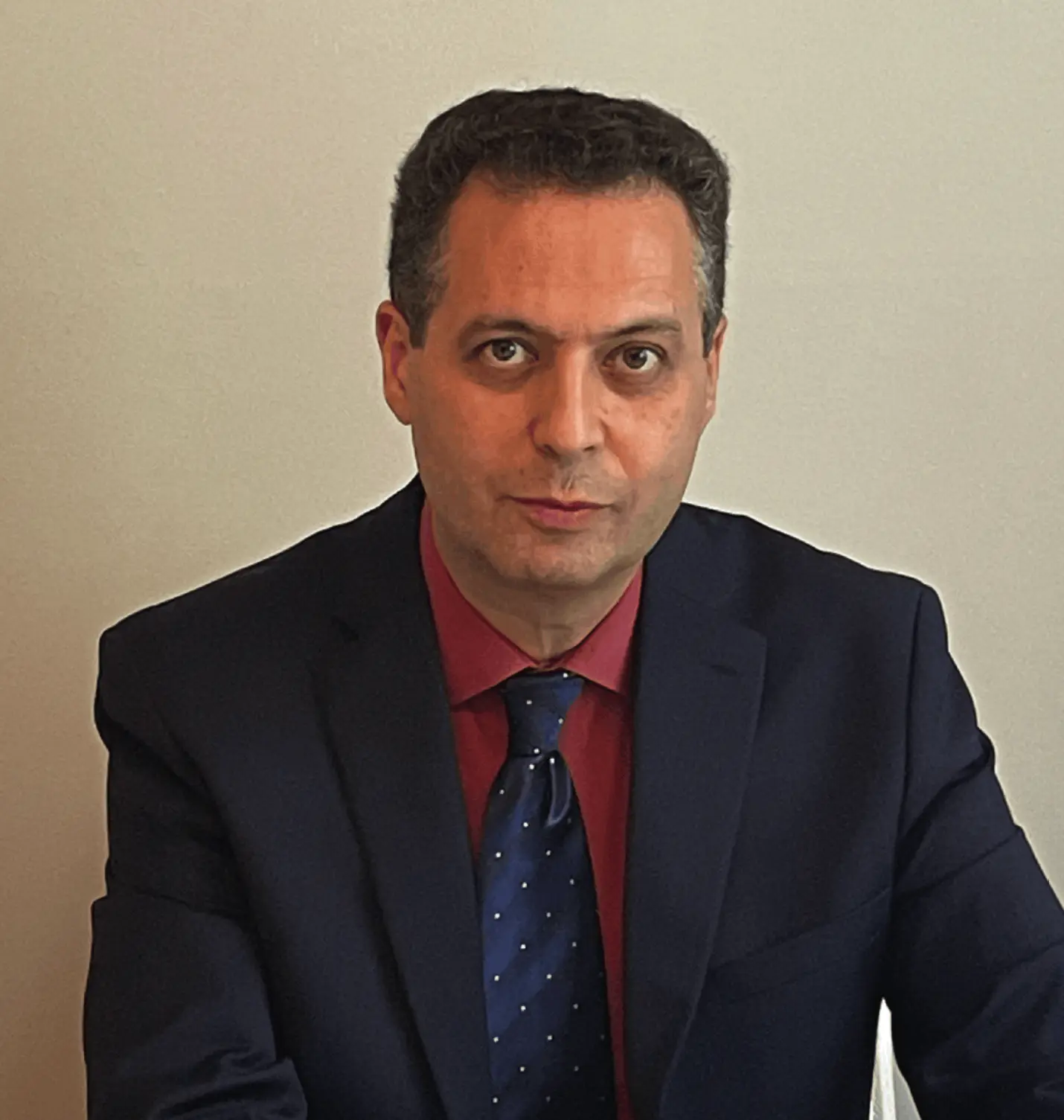
12 years leading Oxford College’s Clinical Research program, guiding approximately 100 graduates into the field every year.
Dr. Kamyar Motavaze, Ph.D.
Clinical Research Program Director
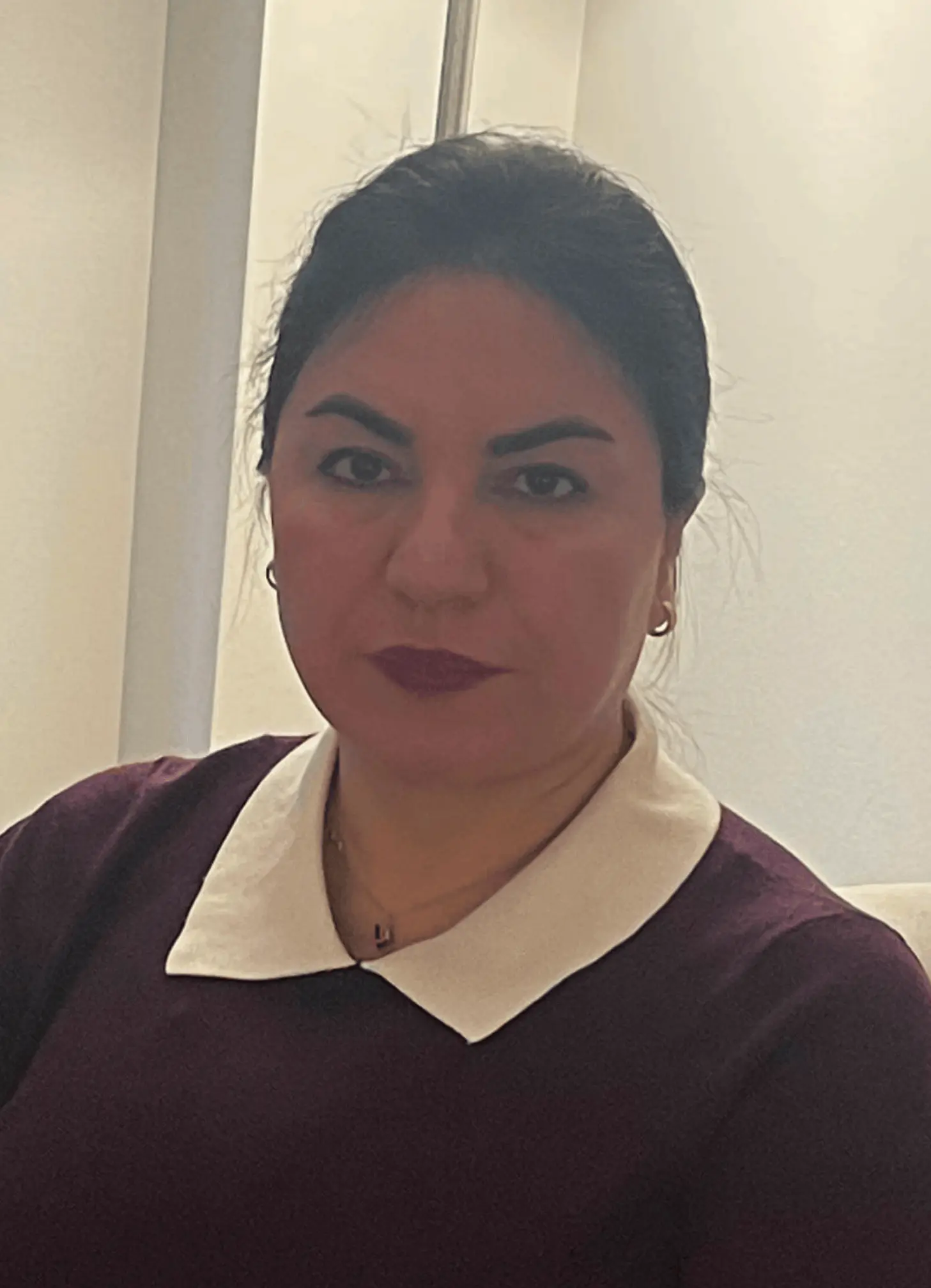
Teaches clinical-research-specific statistics, research methods and computer skills (Excel and Access applied to CR use cases).
Masoumeh Moshtaghi
Clinical Research Core Instructor
Testimonials
“I am glad that I came across Oxford’s college clinical research program. The college has most programs with flexible schedule, perfect for working students or anyone who wants to study from the comfort of home. My instructors Mr. Kamyar Motavaze and Mrs. Masoumeh Moshtaghi are not just educators, but mentors who genuinely care about their student’s success. They not only work on the academic knowledge but also help students in becoming a well-rounded individual ready to make a positive impact in the world. The knowledge and experiences they share from their own working experiences has boosted me to step up in the globalized world with confidence. I have learnt many things from them and mainly through the workshops and presentations. The lectures we studied were made very easy and understandable. It was a blessing to be a student of such hardworking lecturers. Plus, the placement program will definitely help me to experience all the theoretical knowledge in the practical environment. I highly recommend Oxford college to anyone seeking a comprehensive, supportive and enriching college experience.”
Afreen Sultana
Clinical Research Program
“Starting at Oxford College was a without a doubt, a new experience for me. After completing my bachelor’s degree online, with little to no student or professor interaction, I was expecting to have a similar experience at Oxford. I am happy to say that this was not the case at all!
From day one, the classes were extremely interactive, and informative. I have learned numerous new skills that not only have prepared me for my career in Clinical Research, but that have also prepared me for my own personal future. I am extremely grateful to my professors, Ms. Masoumeh, Mr. Kamyar and Mr. Badar, for providing exceptional teaching in subjects where I was not knowledgeable. The time they took to explain various concepts is truly a testament to their own knowledge, as well as their dedication and commitment to seeing their students achieve the highest level of success! It is because of this that I now feel exceptionally confident in the skills and tools I have attained to take on a new career!
I cannot say thank you enough to my professors and the staff at Oxford for helping to create such a smooth learning experience that has helped to put me on the right path toward a career in Clinical Research!“
Katherina Rebekah Raghunandan
Clinical Research Program
“Choosing Oxford College for doing my post-graduation in Clinical Research is one of the best decisions I’ve made. As a Pharmacist from India, I was having hard time to get into the field of clinical research in Canada without Canadian education and experience. While choosing the college to pursue the Clinical Research course Oxford College stands out compared to other colleges with its in-depth curriculum which focuses on the subject more practically, mode of delivery of course (online but not previously recorded) and small class size which can provide one on one attention.
During the course all the instructors were very supportive especially Dr. Kamyar and Ms. Masoumeh gave good foundation for the course which is helpful for the students at their workplace. The college career service was outstanding by finding the right placement for the students according to the needs.
During my placement at one of the reputed hospitals in Toronto, I was able to perform well because of the guidance given by the instructors during the course period. I am so happy to share that I even got a job offer from my placement hospital as Clinical Research Coordinator even before finishing the placement.
I am so grateful to the College and all the staff who helped from the beginning till now.
I strongly recommend Oxford College for those who wanted to start a care in this field.”
Amritha Shylaja Raveendran
Clinical Research Postgraduate
“Hello, my name is Rezanoor Kabir. My journey began at the end of May 2023 when I enrolled into the clinical research program at Oxford College. The course began with some essential skills development modules, taught by Mr. Badar Uddin Umar. His patience with every single student was outstanding. The course moved onto technical skills taught by Ms. Masoumeh Moshtaghi. Her brilliance at Microsoft Excel and Access is totally unmatchable. Her tips, tricks and lessons were very practical during the internship. Finally the research aspect was taught by Mr. Kamyar Motavaze. His excellence in the field of clinical research was key in the development of an insight into the Canadian research sector. Oxford College has a perfect balance in place for the Clinical Research course. I was blessed with the opportunity to do my internship at Toronto General Hospital, in the Department of Anesthesia and Pain Management! I ended my placement two weeks later than my peers due to personal reasons. My team at UHN-TGH was very understanding, cooperative and motivating. So much so, that I will be joining as a research assistant in the same department, delegated to the same projects. Oxford College will give you their best, but you need to bring your A-game as well. With patience and perseverance, you too can achieve far and beyond. I sincerely thank my three instructors, all of the staff at Oxford College, especially Omega for making the extension possible, as well as everyone at UHN-TGH for making my dream come true! Cheers!“
Reza
What You’ll Study
The Clinical Research program teaches you everything about a clinical trial, from how a drug is developed to how the data behind it gets reported.
Drug Development & Trial Design
- The stages of drug development, from initial discovery through approval for human use
- The phases of clinical trial research and how each phase is designed
- Different types of therapeutic and device trials, and how they differ in structure
Trial Operations
- How a trial is planned, launched, run, and closed out
- The pathology of the condition being studied, and the pharmacokinetics and pharmacodynamics of the treatment being tested
- Standard operating procedures (SOPs), instruction sheets, and the documentation that keeps a trial compliant
Ethics & Professional Practice
- The ethical standards and professional conduct expected in a clinical research environment
- How to communicate with patients, doctors, and nurses throughout a trial
Statistics, Data & Reporting
- Statistical analysis methods used in clinical trial data
- Excel and Access, applied specifically to clinical research data management
- How to prepare and present findings through research papers, presentations, and reports
Your Placement
- 525 hours (approximately 14 weeks) at a Canadian hospital, pharmaceutical company, or CRO
- Guaranteed for every student, not competitive or waitlisted
- Hands-on application of everything covered in instruction
Where Our Graduates Get Placed
Oxford College’s Clinical Research placement network includes 33 hospital partners and over 50 Contract Research Organizations (CROs) across Canada, for a total of 80+ named institutions.
Hospital Partners
CRO Partners
Tuition and Financial Aid
Clinical Research is a 52-week program with a total tuition of $16,880. Most graduates recover this investment quickly: entry-level roles start at $45,000 to $60,000 a year, which means your tuition is paid off within months to a year of starting work based on personal circumstances.
Financial Aid Options

OSAP (Ontario Student Assistance Program)

Second Career

Private Student Loans

Monthly Payment Plans
A Financial Aid Advisor can assess your situation and help set up a plan that works for you.
Is This Program Right for You?
Clinical Research is a good fit for you if:
- You trained as a physician, dentist, or pharmacist, or hold an Allied Health or Pharmaceutical Diploma
- You’re comfortable in clinical environments and interacting directly with patients
- You want operational, hands-on work managing trials
- You’re looking for a career that puts your existing medical knowledge to use within a year
Admission Requirements
- BSc or equivalent, OR
- Allied Health Diploma, OR
- Pharmaceutical Diploma
Outcomes and Salary
Program Outcomes
- 100% of graduates receive a guaranteed placement
- 88% of students graduate
- 86% are employed after graduation
- 0–6 months average time from graduation to first job
Source: Oxford College KPI Report, 2025
Salary Potential
The national median salary for clinical research professionals is $83,200/year.
Source: Job Bank, NOC 21110, November 2025 update
- Entry-level (Year 1): $45,000–$60,000 — Clinical Research Assistant, Clinical Research Coordinator
- Mid-career (Years 3–5): $70,000–$100,000+ — Clinical Research Associate, Clinical Research Manager
Career Destinations
Oxford College Clinical Research graduates go on to work as:
- Clinical Research Assistant
- Clinical Research Monitor
- Clinical Research Coordinator
- Medical Information Associate
- Clinical Research Associate
- Clinical Data Management Associate
- Clinical Research Project Leader
- Data Analyst
Industry Demand
Canada ranks 3rd globally for total new clinical trials and is a G7 leader in trials per population, which means sustained demand for trained clinical research professionals.
Source: ISED, 2025
NOC 21110 currently employs roughly 30,900 workers nationally, with 6,600 new openings projected between 2024 and 2033.
Source: COPS, ESDC